Talking with my mother as she stirs the rice, I remember my grandfather the most clearly wearing an immaculate crisply pressed light gray suit and a matching hat, leaning on his cane, walking slowly but confidently down the walkway. He removed his hat once he got inside like any gentleman would, slowly lowering himself into a chair in our dining room, and reaching for a glass of water after walking home from mass. I remember being pleased that he was finally home to dote and speak with me, favoring him as a companion above all others when my mother was out.
In my other memories, he is gentle and quiet, dutifully Catholic, praying the rosary with our entire family before bed. I remember my mother, three of my aunts, two cousins, and me, sitting and taking turns reciting Hail Mary’s, each holding the sacred beads, and shifting our fingers to the next one after each recitation.
As a child of five, no one objected to my taking a turn, clearly reciting each word precisely in a clear melodious French, chanting the first half and having my family recite the second half of the prayer in response. I remember him looking to me afterward and nodding, a silent acknowledgment that I was as I should be, a perfect grandchild under his ever watchful gaze.
With a side glance and with some hesitation, as if she could tell me more, my mother informs me that he wasn’t always this way, reminding me that people change as they age. She then recounts a story she overheard my grandfather telling.
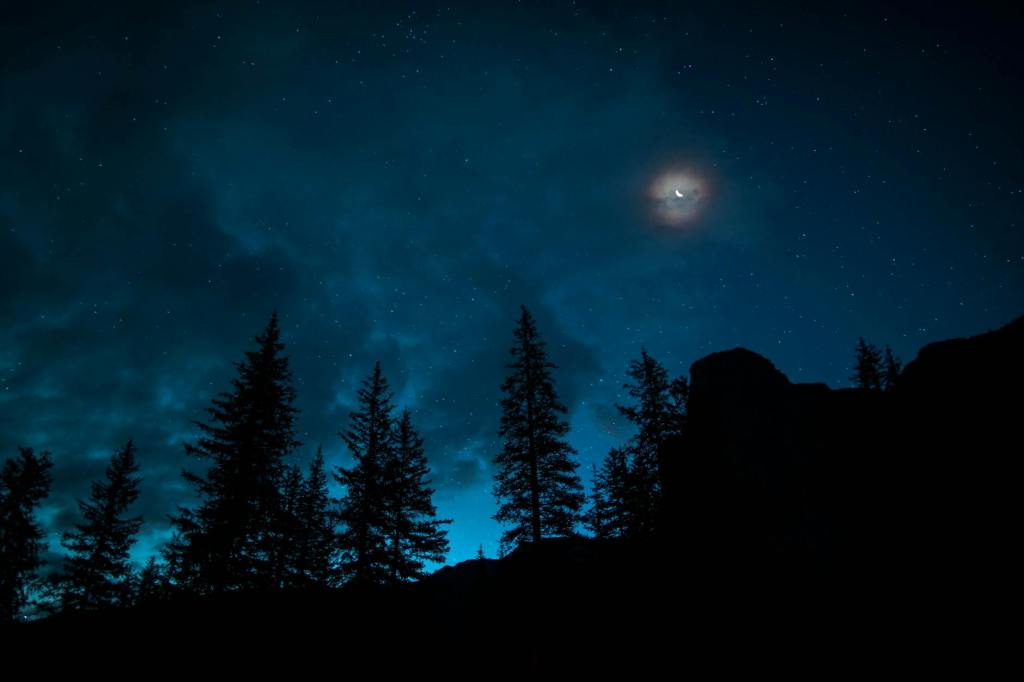
Among the mountains, on a night that no one remembers when or where it happened, my grandfather, still a young man in his twenties or thirties, walks home during a night as dark as coffee and as quiet as death. He stumbles and swerves home drunk from cheap rum from somewhere he cannot remember. The omnipresent red earth stains his shoes and pants as he drags them across the ground, slowly making his way in the general direction of home.
He has one hand at his side and the other on his machete. No one is there but him and God, and nothing to hear except his slow and steady footsteps dragging through the dirt. The chilly mountain air carries the scent of banana leaves, tobacco, and soil, dry after a day of baking in the sun. No one should know how to make their way home in this darkness, but he does.
In what feels like an instant, he is not alone. A flatbed truck rumbles loudly yet slowly with lights slicing through the dark, trolling for drunks. They are not the police, nor a friendly neighborhood organization. It was a good chance that they were “volunteers” likely affiliated with the military. No well-meaning person travels at night where he is. No one knows who or what they might find, or where they might be taken.
“Go take that one,” he hears someone say, and two men approach, about to grab him, and put him in the back with some others who they picked up—to bring him to a darkness worse than the one he is in. When he hears this, he rears his head, bares his eyes and teeth, raises his machete, and begins cursing with vehemence and rage, interspersed with animal noises. Wildly he slashes the air and spits, advancing and coming dangerously close to his captors, spinning flailing his hands about as if he is possessed. Continuing like this for several long moments, the two men recoil, surprised and repulsed by what they have found in the dark. “Let’s leave this one. Can’t you see he’s crazy?”
The monsters retreat. The sputtering, tugging and pulling of the truck also retreats and disappears, leaving him alone in the darkness he knows.
He wasn’t crazy—not completely anyway. He was on the precipice of going crazy, in between dreaming and waking, in between being drunk and sober, in between sight and blindness, hearing and deafness. Being on the precipice was part of his employment. A wood cutter and a farmer, but also a seer and medicine man, he embraced the other side as part of his duty and part of his malaise as his father and grandfather had done before him, and going even farther back to Guinea.
My grandfather’s most vivid dreams and nightmares occurred while he was wide awake, whether he welcomed them or not. He was a prolific dreamer, yet never while he slept.
 Jennifer Lauture
Leave a comment